
How Asian Supermarkets Became a New Grocery Destination in the GTA
Asian supermarkets across the GTA are no longer just places to find specialty ingredients—they've become destinations for discovery, culture, and everyday grocery shopping. From seasonal produce to Korean snacks and Japanese treats, here's how they're reshaping the way Toronto shops and eats.

Every week, we look through dozens of grocery flyers from Asian supermarkets across the Greater Toronto Area.
At first glance, they seem simple—discounted produce, fresh seafood, seasonal fruits, bakery specials, and weekly promotions.
But after watching them week after week, year after year, we began to notice something much bigger.
The stores were changing.
The products were changing.
More importantly, the people shopping in these stores were changing too.
Asian supermarkets were no longer simply serving immigrant communities. They were becoming places where people from every background came to discover something new.
For us at GoFlyer, this wasn't just a retail trend. It felt like another chapter in Toronto's story—a city where cultures meet, influence one another, and slowly reshape everyday life.
From Necessity to Discovery
Not long ago, most people visited Asian supermarkets because they had to.
For many immigrant families, these stores were the only places to find familiar ingredients: Chinese vegetables, Japanese seasonings, Korean sauces, fresh tofu, live seafood, specialty noodles, or snacks from home.
A trip to an Asian supermarket wasn't about exploration.
It was about finding the ingredients that couldn't be found anywhere else.
Today, the reason many people visit feels very different.
Young shoppers stop by H Mart after work to try a new Korean snack they've seen on TikTok.

Families pick up Japanese strawberries because they've heard about their sweetness.
University students browse shelves looking for instant ramen, sparkling drinks, or desserts they've watched creators recommend online.
Some shoppers don't even arrive with a shopping list.
They simply come to see what's new.
Some discover a new favourite snack.
Others leave with a skincare product they never expected to find in a grocery store.
Shopping has become less about necessity and more about curiosity.
Asian supermarkets have quietly transformed from places people needed into places people genuinely want to visit.
The Rise of the Second Generation Shopper
Toronto has always been shaped by immigration.
Many families who arrived twenty or thirty years ago now have children who grew up entirely in Canada.
This generation moves comfortably between cultures.
They speak English at school and work, but enjoy the flavours, traditions, and memories they grew up with at home.
To them, visiting an Asian supermarket doesn't feel like returning to a cultural niche.
It's simply part of everyday life.
At the same time, Asian culture has become far more visible across Canada than it was a generation ago.
Korean dramas, K-pop, Japanese cuisine, anime, bubble tea, and social media have introduced millions of Canadians to Asian food and culture.

What was once considered unfamiliar has become mainstream.
As a result, Asian supermarkets are welcoming not only Asian families, but also students, young professionals, food enthusiasts, and curious shoppers from every community.
For many people, spending an afternoon browsing an Asian supermarket is no different from visiting a farmers' market or discovering a new local café.
The grocery trip itself has become part of the experience.
Influencing the Way Grocery Stores Think
The influence of Asian supermarkets extends beyond their own aisles.
One of the biggest differences is the shopping experience they offer.
Fresh seafood tanks.
Large selections of seasonal produce.
Freshly prepared meals.
Busy bakery counters.
Ready-to-eat dishes.
Regional specialties that change throughout the year.
These aren't simply products—they create an atmosphere of freshness and discovery.
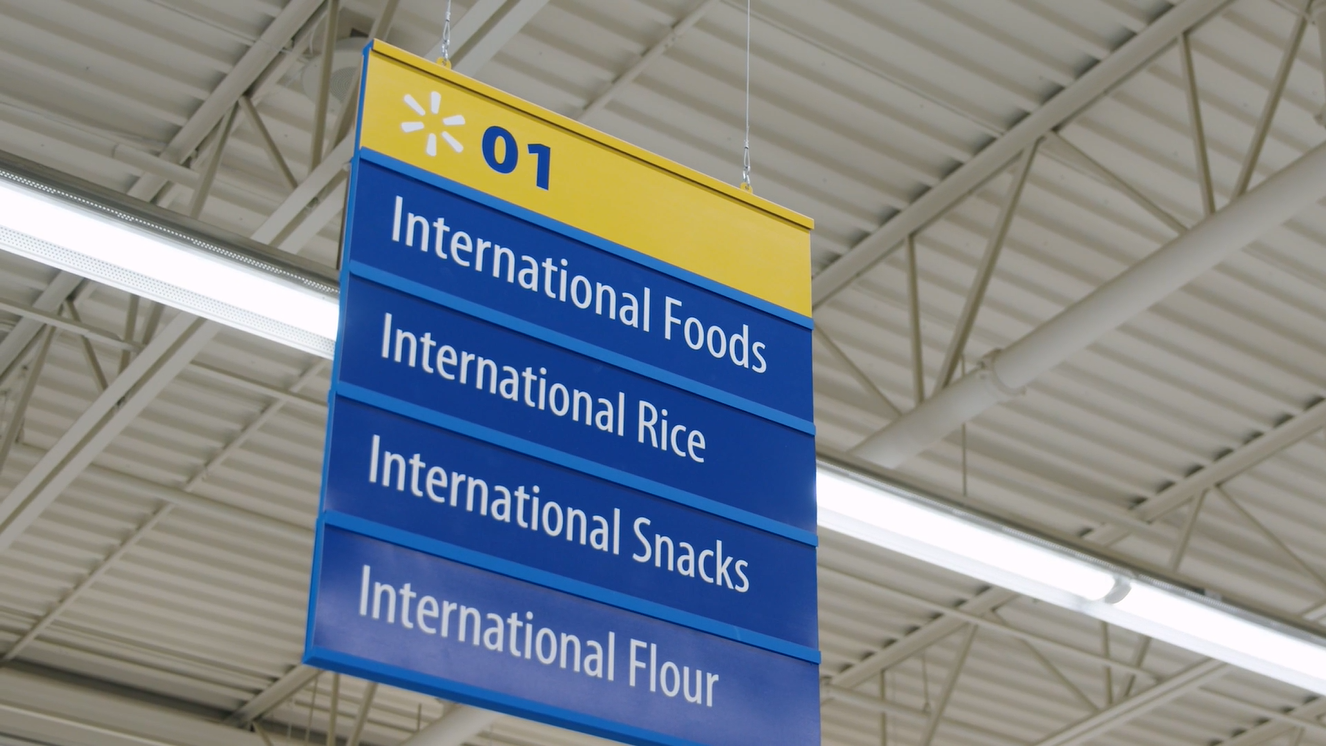
As consumer expectations evolve, many mainstream grocery retailers have also expanded their international food selections, ready-to-eat meals, and freshly prepared offerings.
Global flavours that were once considered specialty products—such as kimchi, matcha, ramen, yuzu, and various Asian sauces—are now commonly found in major supermarket chains across Canada.
While many factors have contributed to this shift, Asian supermarkets have undoubtedly helped introduce these flavours to a much broader audience.
Rather than existing on the edge of Canada's grocery industry, they have become part of its evolution.
More Than a Place to Buy Groceries
Perhaps the biggest change isn't about products at all.
It's about why people shop.
Years ago, grocery shopping was mostly about completing a list.
Today, it is increasingly about discovering something unexpected.
A seasonal fruit you've never tasted before.
A new instant noodle flavour.
Fresh pastries that just came out of the oven.
A ready-made meal that reminds someone of a recent trip overseas.
Food has become one of the easiest ways to experience another culture.
In a city as multicultural as Toronto, grocery stores have become places where those cultures naturally meet.
In many ways, Asian supermarkets now tell a story that goes beyond food.
They reflect immigration.
They reflect cultural exchange.
They reflect how Toronto continues to grow—not by replacing old traditions, but by welcoming new ones.

Looking at Toronto Through Grocery Flyers
This is perhaps our favourite part of what we do at GoFlyer.
Every week, we browse flyers from Asian supermarkets across the GTA.
At first glance, they're simply pages filled with prices, discounts, and weekly specials.
But when you look at hundreds of flyers over time, they begin to tell a much bigger story.
One summer, Japanese peaches appear more frequently than before.
Korean ready-to-eat meals and desserts gradually take up more space on the front page.
More supermarkets begin introducing K-beauty products alongside groceries.
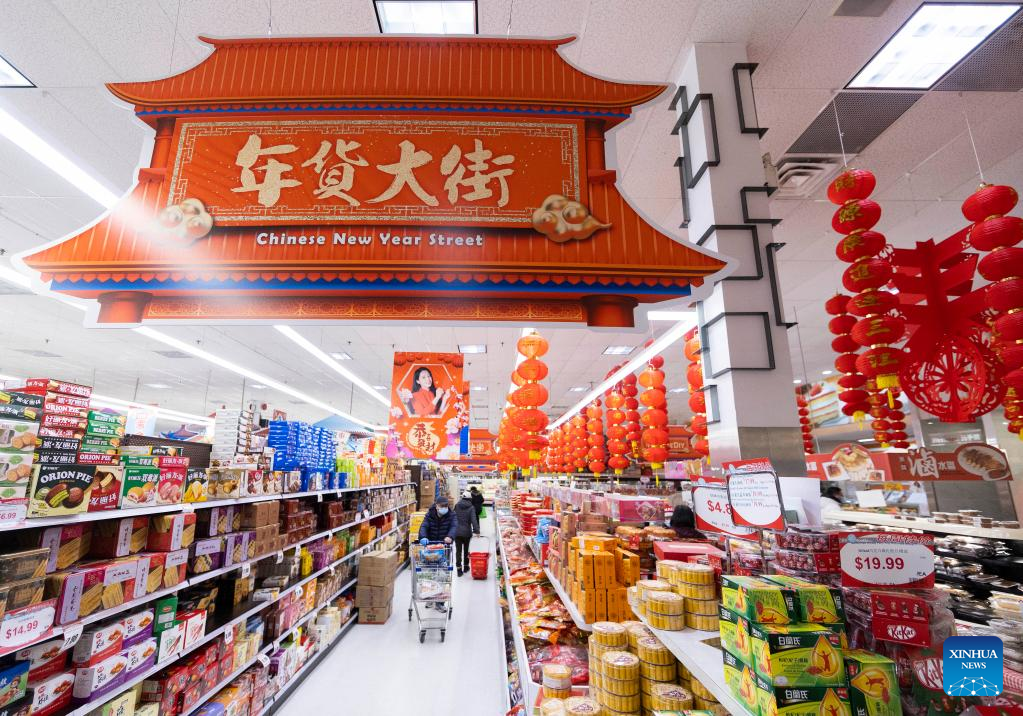
As Lunar New Year approaches, flyers fill with seafood, festive gift boxes, and traditional holiday foods.
By late summer, watermelons, lychees, and durians become the stars of the season.
These aren't just merchandising decisions.
They're small reflections of how people shop, what they cook, what they celebrate, and how Toronto continues to evolve.
A grocery flyer does more than advertise this week's specials.
It captures a moment in the city's food culture.
Over time, those moments become a record of how neighbourhoods change, how communities grow, and how new tastes become part of everyday life.
Working with grocery flyers every week gives us a unique perspective.
While most people see prices, we have the opportunity to watch Toronto's grocery culture evolve one flyer at a time.
Making Discovery Easier with GoFlyer
Today, Asian supermarkets have become a regular stop for many shoppers across the GTA.
Some families visit Nations Fresh Foods for fresh seafood before finishing the rest of their shopping elsewhere.
Others stop by H Mart to discover the latest Korean snacks, prepared meals, or seasonal products.
Many shoppers now combine multiple stores into a single grocery trip—picking up household essentials at Costco or No Frills before heading to an Asian supermarket for fresher produce, specialty ingredients, or something entirely new to try.
Asian supermarkets are no longer simply another place to buy groceries.
They've become part of how many people experience food in one of the world's most multicultural cities.
But with more stores comes another challenge.
Every supermarket has its own flyer.
Its own promotions.
Its own seasonal highlights.
Keeping track of everything can quickly become overwhelming.
That's why GoFlyer exists.

We wanted to make it easier to explore the diversity of Asian supermarkets across the GTA by bringing weekly flyers together in one place.
Whether you're comparing produce prices, searching for the best seafood deals, discovering a new neighbourhood supermarket, or simply looking for your next favourite snack, GoFlyer helps make that journey a little easier.
Because we believe a grocery flyer is more than a list of weekly discounts.
It reflects the changing seasons.
It celebrates different cultural traditions.
And over time, it quietly tells the story of how a city eats.
Every week, as we organize flyers from across the GTA, we're not just collecting promotions.
We're watching Toronto continue to grow through food, culture, and community.
GoFlyer simply brings those stories together—one flyer at a time.