
How to Save Money on Groceries in Toronto 2026
Grocery shopping in Toronto doesn’t have to break your budget. This 2026 guide shares practical ways to save money on groceries, from checking weekly flyers and using GoFlyer to shopping seasonal produce, finding discounted items, choosing the right supermarkets, and reducing food waste.

Smart Grocery Shopping Tips to Spend Less Without Sacrificing Quality
Introduction
Over the past few years, grocery prices in Canada have increased significantly, and food remains one of the biggest monthly expenses for many households in Toronto. Whether you are a student, a newcomer, a young family, or someone who has lived in the GTA for years, you have probably noticed the same thing: the same grocery trip costs much more than it used to.
When people think about saving money on groceries, they often imagine extreme couponing, visiting multiple stores every week, or giving up fresh and healthy food. However, saving money does not have to make grocery shopping complicated.
The most effective way to reduce your grocery budget is to build smarter shopping habits. By planning ahead, understanding where different products are cheaper, buying seasonal ingredients, taking advantage of promotions, and reducing food waste, you can save hundreds of dollars every year while still enjoying fresh and quality food.
For many Toronto shoppers, especially those who shop at both Western supermarkets and Asian grocery stores, knowing when and where to buy certain products can make a big difference. Here are some practical grocery-saving strategies that actually work in the GTA.
1. Plan Before You Shop: Check Flyers and Build Your Shopping List Around Deals
One of the easiest ways to overspend on groceries is shopping without a plan.
Many people decide what they want to cook first and then go to the supermarket to buy everything they need. While convenient, this approach often means paying full price for ingredients that may not be on sale.
A smarter approach is to check weekly grocery flyers before making your shopping list.
Instead of starting with “What do I want to eat this week?”, start with “What is on sale this week?”
For example, if chicken thighs are discounted, you can plan several meals around chicken. If seafood is featured in a weekly promotion, it may be a good time to include more seafood dishes in your meal plan. Small changes like these can significantly reduce your weekly grocery expenses.


This is where grocery flyer apps like GoFlyer can make shopping easier. Instead of checking multiple supermarket websites individually, shoppers can quickly browse weekly flyers from nearby stores and compare promotions before heading out. This helps you find better deals and make more informed shopping decisions.
Holiday seasons are also great opportunities to save money. Before holidays such as Lunar New Year, Dragon Boat Festival, Mid-Autumn Festival, Thanksgiving, and Christmas, many supermarkets launch special promotions on seasonal products. Asian supermarkets often offer discounts on ingredients, snacks, gift boxes, and specialty foods before major holidays.
After the holidays, some items such as gift sets, snacks, and seasonal products may receive additional clearance discounts. If the expiration date is still far away, these can be excellent opportunities to stock up.
The key idea is simple: do not shop first and look for deals later. Let the deals help you decide what to buy.
2. Shop at Different Supermarkets for Different Products
Many people try to find one “cheapest supermarket” and do all their shopping there. However, in reality, no single store offers the lowest prices on every product.
Different supermarkets have different strengths, and understanding these differences can help you save more.
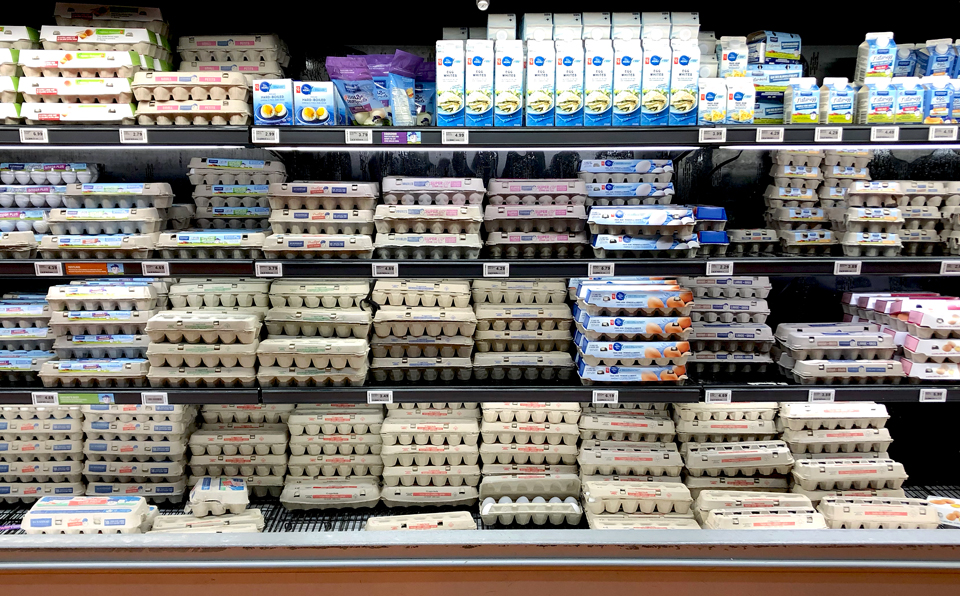
Western supermarkets such as Walmart, No Frills, FreshCo, and Food Basics are often competitive for everyday Canadian staples, including milk, eggs, bananas, bread, butter, and yogurt. These products are produced locally and sold in high volumes, which means supermarkets frequently run promotions on them.
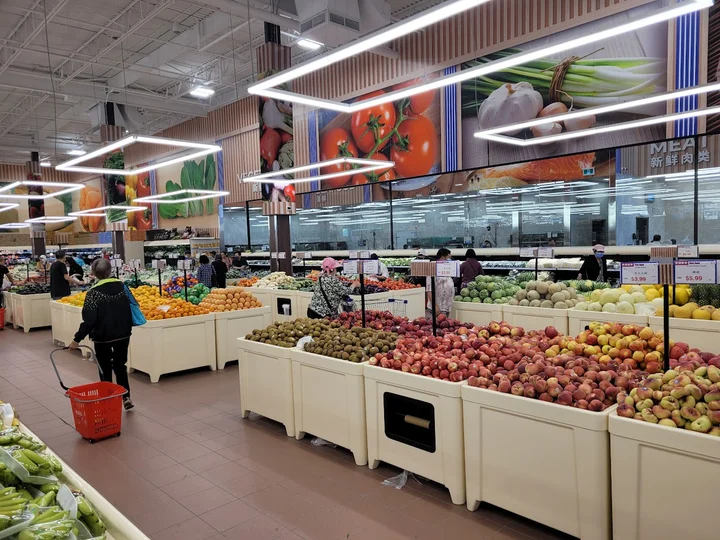
Asian supermarkets, on the other hand, offer advantages in completely different categories. They are often the best places to find a wide variety of Asian vegetables, seafood, tofu, hot pot ingredients, sauces, spices, frozen foods, and specialty products from different regions of Asia.
For example, a shopper may save money by buying milk, eggs, and bananas at a Western supermarket while purchasing Asian vegetables, seasonings, and specialty ingredients at a Chinese supermarket.
This approach does not mean visiting many stores every week. Instead, it means understanding where each store provides the best value.
The goal is not to find one perfect supermarket. The goal is to make each supermarket work for you.
3. Buy What Is Affordable Right Now: Seasonal Produce, Discounts, and Clearance Deals
One of the biggest grocery-saving habits is learning to be flexible.
Many shoppers have a fixed list of items they always buy, regardless of price. However, prices change constantly depending on seasons, supply, and promotions.
Buying seasonal fruits and vegetables is one of the simplest ways to save money.
When produce is in season, there is usually a larger supply, which means lower prices and better freshness. During summer, products such as strawberries, blueberries, peaches, corn, and tomatoes are often much more affordable. In the fall, apples, pears, squash, and pumpkins become better-value choices. During winter, citrus fruits and root vegetables are often more budget-friendly.
Choosing seasonal produce not only helps your grocery budget but also allows you to enjoy food when it is at its freshest.
Another useful strategy is checking clearance sections and discount stickers.
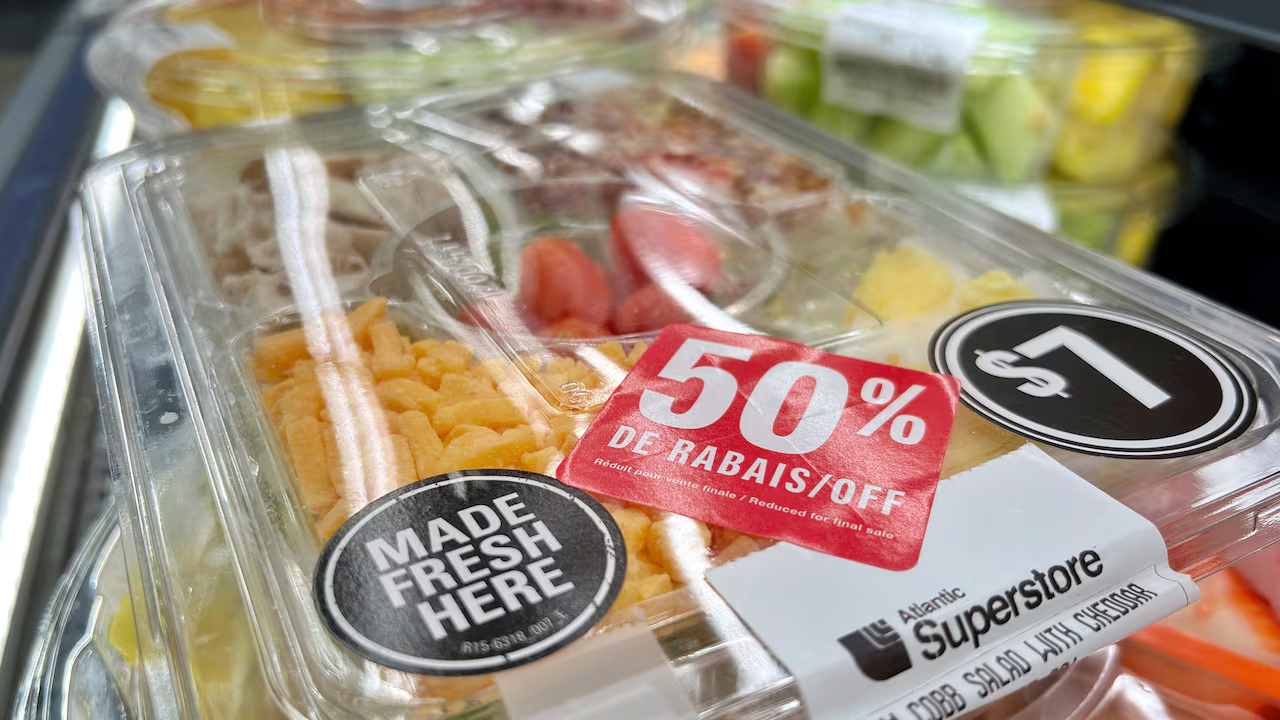
Many supermarkets, including large chains like Walmart and Real Canadian Superstore, reduce prices on products that are approaching their best-before dates. You may find discounted meat, cheese, yogurt, bakery items, and ready-to-eat foods.
These products are not necessarily low quality. They simply need to be purchased and consumed sooner. If you plan to cook the item immediately or freeze it for later, discounted products can offer excellent value.
Asian supermarkets also have their own money-saving opportunities. Many stores reduce prices on prepared foods near closing time to reduce waste. Items such as roast duck, BBQ pork, fried rice, noodles, and other ready-made dishes may become significantly cheaper in the last hour before closing.
For shoppers who are flexible, these small timing strategies can turn regular grocery trips into opportunities to save.
4. Stock Up Smartly and Learn How to Store Food Properly
Buying discounted items can save money, but only if you know what is worth stocking up on.
Not every sale item should be purchased in large quantities. The best items to stock are products that have a long shelf life and that you already use regularly.
Pantry staples such as rice, pasta, canned foods, cooking oil, coffee, flour, and sauces are good examples. If these items are on sale and you know your household will use them, buying extra can help protect your budget from future price increases.
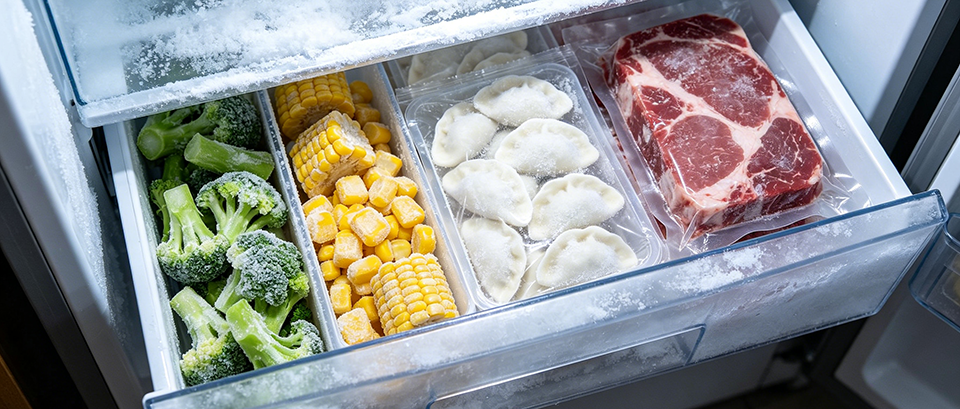
Meat is another category where buying during promotions can make sense. When chicken, beef, or pork is discounted, you can purchase larger quantities, divide them into meal-sized portions, and freeze them for later use.
However, smart grocery shopping also means understanding storage.
For vegetables, choosing items with longer shelf lives can reduce waste. Root vegetables such as potatoes, onions, carrots, and cabbage are excellent choices for weekly grocery planning because they can often stay fresh much longer than leafy greens.
Leafy vegetables are nutritious but more sensitive and can spoil quickly. Buying smaller amounts more frequently may actually save money because you are less likely to throw them away.
The purpose of stocking up is not to fill your kitchen with unnecessary products. It is to buy the right things at the right price and make sure they are used.
5. Reduce Food Waste: The Money You Don’t Spend Is the Money You Save
Many people focus on finding cheaper groceries but forget one of the biggest sources of savings: reducing waste.
A discounted product is not a good deal if it ends up in the garbage.
Food waste often happens because people buy too much, forget what they already have, or do not store food properly. A few simple habits can make a big difference.

Try organizing your refrigerator so older products are easier to see and use them first. Freeze leftovers instead of leaving them forgotten in the fridge. If fruits become too ripe, use them for smoothies, baking, or frozen snacks.
Meal planning also helps prevent unnecessary purchases. Before going shopping, check what you already have at home. You may discover that you already have ingredients for several meals.
Saving money is not only about paying less at the checkout. It is also about making sure every dollar you spend actually provides value.
6. Take Advantage of Store Policies and Small Savings Habits
Beyond sales and promotions, there are several smaller habits that can help reduce your grocery expenses over time.
Some Canadian supermarkets still offer price matching, allowing customers to match a competitor’s advertised price. If your local store provides this service, you may be able to save money without visiting multiple supermarkets. However, policies vary between stores, so it is always best to check before shopping.
Another useful habit is comparing unit prices instead of only looking at the package price. A larger package does not always mean a better deal. Checking the price per kilogram, litre, or 100 grams can help you understand the true value of a product.
Store-brand products are also worth considering. Brands such as Great Value, No Name, Compliments, and Selection offer many everyday essentials at lower prices than national brands. For products like flour, sugar, oats, pasta, and household supplies, the quality difference is often minimal while the savings can be significant.
Finally, avoid shopping when you are hungry. It may sound simple, but grocery shopping while hungry often leads to more impulse purchases, especially snacks, desserts, and unnecessary items.

Small habits may not seem important during one shopping trip, but over months and years, they can create meaningful savings.
Conclusion
Saving money on groceries in Toronto does not mean sacrificing fresh food or quality. The most successful grocery shoppers are not necessarily those who spend the most time searching for discounts. They are the ones who build smart and consistent shopping habits.
Start by checking weekly flyers before shopping, plan meals around promotions, choose seasonal produce, understand the strengths of different supermarkets, and take advantage of discounts when the timing is right. At the same time, learning how to store food properly and reduce waste can help you get more value from every grocery trip.

Whether you shop at a major chain supermarket or your favourite Asian grocery store, a few minutes of planning can make a big difference.
With tools like GoFlyer, you can easily browse nearby grocery flyers, discover weekly deals, and plan your shopping before leaving home — helping you spend smarter and make every grocery dollar count.