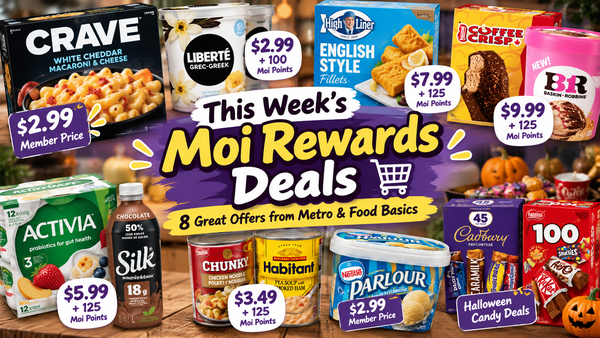
Customers Are No Longer Waiting for Flyers to Arrive at Their Door
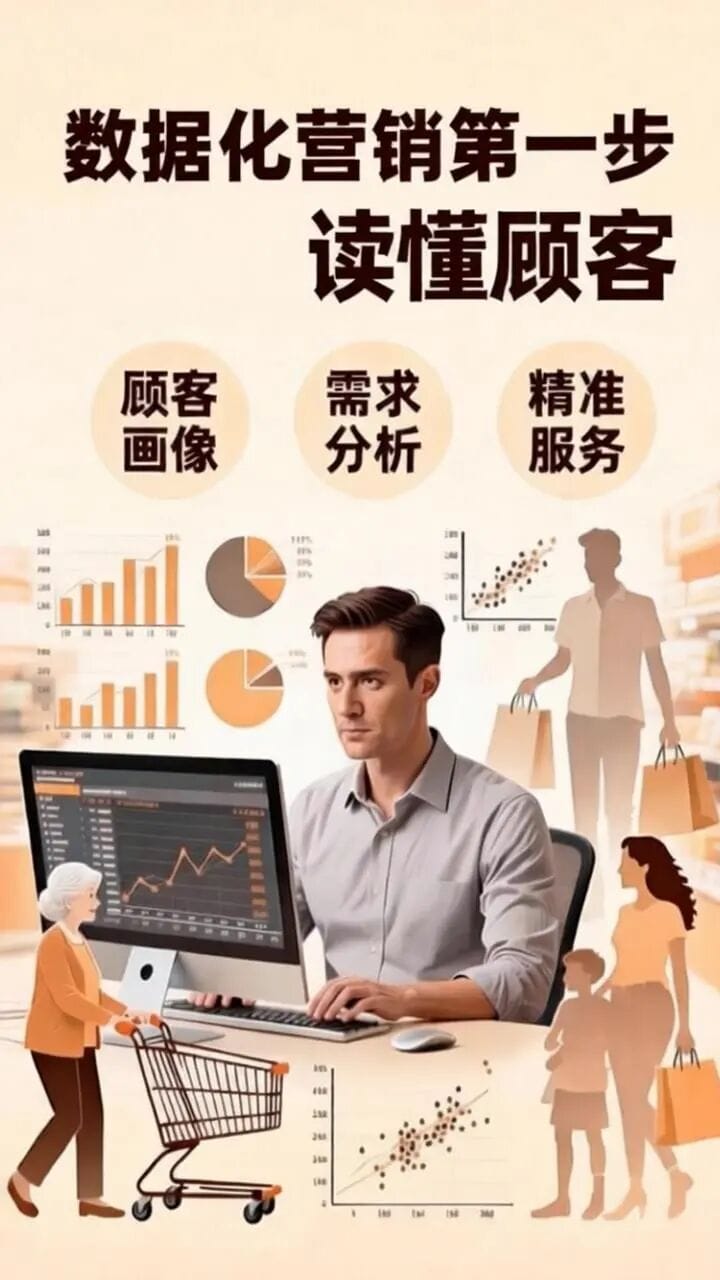
The first step into data-driven marketing is not spending more on advertising. It is learning how to understand customers again.
The first step into data-driven marketing is not spending more on advertising. It is learning how to understand customers again.
More than twenty years ago, when I first introduced the flyer as a serious marketing tool to Chinese and ethnic supermarkets in Canada, I did not realize that we were witnessing the beginning of an era.
At the time, it felt like a very ordinary business decision.
A newly opened Chinese supermarket owner came to me and wanted to promote the store. He wanted nearby customers to know that the store was open. He wanted more people to come in on the weekend. He wanted to create momentum.
We discussed many options.
Newspaper ads could help. Posters outside the store could help. Community promotions could help. Prize draws and opening events were possible too.
But in the end, I suggested something that was expensive, complicated, and not commonly used by Chinese supermarkets at that time:
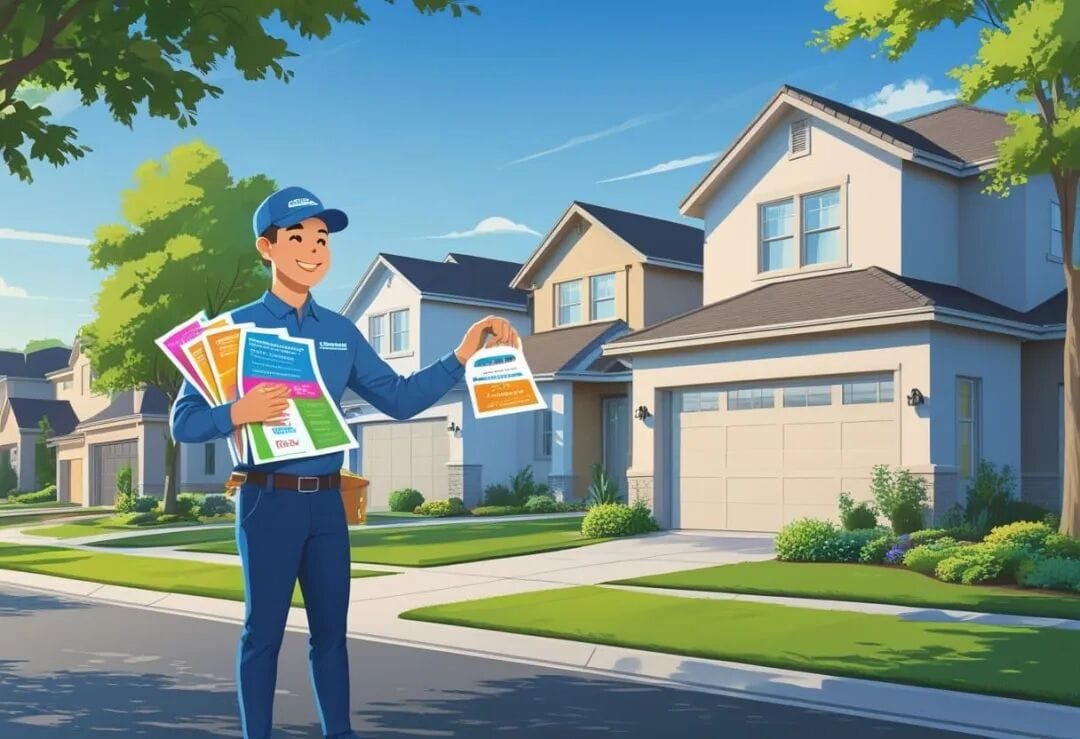
Create a supermarket flyer and deliver it directly to households in the surrounding community.
Today, flyers may sound ordinary.
But back then, for a Chinese supermarket, this was not a simple decision.
A flyer was never just a few discounted items placed on a page. It was a full operation.
There were no convenient image libraries. There were no mature digital systems. Every week, I had to go to the supermarket, often waiting in the basement for department managers to confirm the weekly specials. Sometimes I had to chase each department one by one.
Meat. Vegetables. Fruit. Seafood. Grocery. Sauces. Rice. Snacks. Everything had to be photographed, checked, edited, designed, proofread, printed, and delivered.
After printing, I would personally move stacks of flyers from the print shop to the distribution centre. Then I had to confirm delivery zones, routes, quantities, and distribution quality.
Even when every step was handled carefully, problems still happened.
Some customers said they did not receive the flyer.Some stores said certain streets were missed.Some areas were technically covered, but the results were weak.
Every time there was a problem, I had to investigate. Which route failed? Which neighbourhood underperformed? Was the distribution inaccurate? Did we choose the wrong area? How should we adjust the next round? How could we explain the issue to the client?
Week after week, the work repeated.
To be honest, it was exhausting.
But we kept doing it for one simple reason:
It worked.
After that first flyer campaign went out, the store saw a very clear response.
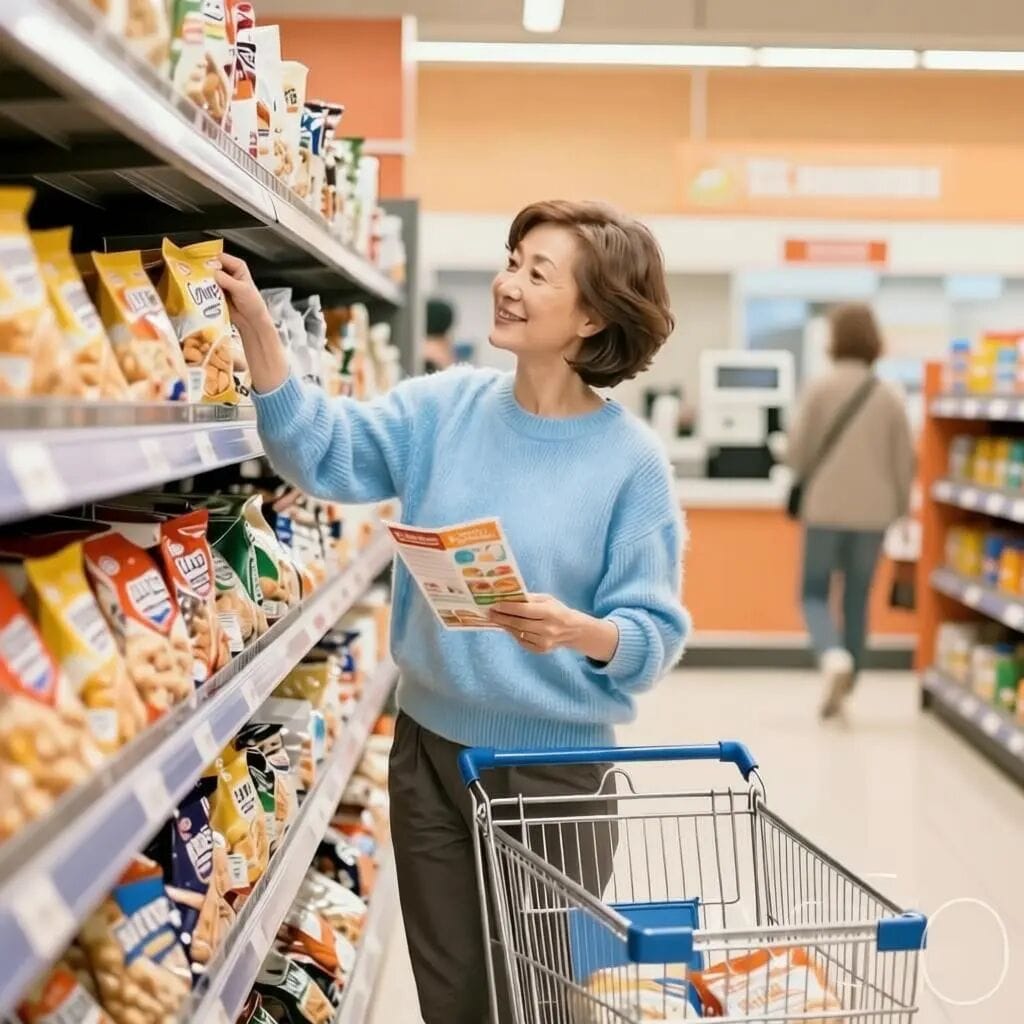
Weekend traffic increased.Checkout lines became longer.Customers walked into the store holding the flyer and looking for the specials.Sales jumped.
At that time, the impact was powerful.
Very quickly, the news spread within the supermarket industry.
Other owners started asking:
“Why are they suddenly so busy?”“What did they do?”“How does flyer distribution work?”“Who can help us do it?”
One supermarket after another started producing flyers.
20,000 copies.30,000 copies.50,000 copies.70,000 copies.Sometimes even more.
For a new store opening, some owners believed that the more flyers they distributed, the better the business would be. The lower the price, the more customers would come.
For many years, flyers became one of the most important marketing tools for Chinese and ethnic supermarkets.
In many ways, that was the beginning of large-scale community flyer marketing in our industry.
Flyers Really Did Work
We should be honest about this:
Flyers were extremely effective in that era.
Customers had far fewer places to receive shopping information. People read newspapers. They paid attention to local community ads. They looked at what arrived at their front door.
Many families waited for the weekly flyer to arrive. They would flip through the pages, compare prices, and decide where to shop that weekend.
Which store had cheaper chicken legs?Which store had beef on sale?Which store had fresher fruit?Which store had a good price on rice?
For many Chinese and ethnic families, a flyer was not just advertising.
It was a weekly shopping guide.
It became part of the household decision-making process.
So when a supermarket placed its prices, product photos, address, grand opening information, and weekly specials directly into the hands of local customers, it created a very strong response.
This was especially true in ethnic communities.
Customers cared about price.They cared about freshness.They were used to comparing.They were willing to travel for the right store.
A flyer could help a new supermarket become known very quickly in the surrounding community. It could also help an established store regain traffic in a competitive market.
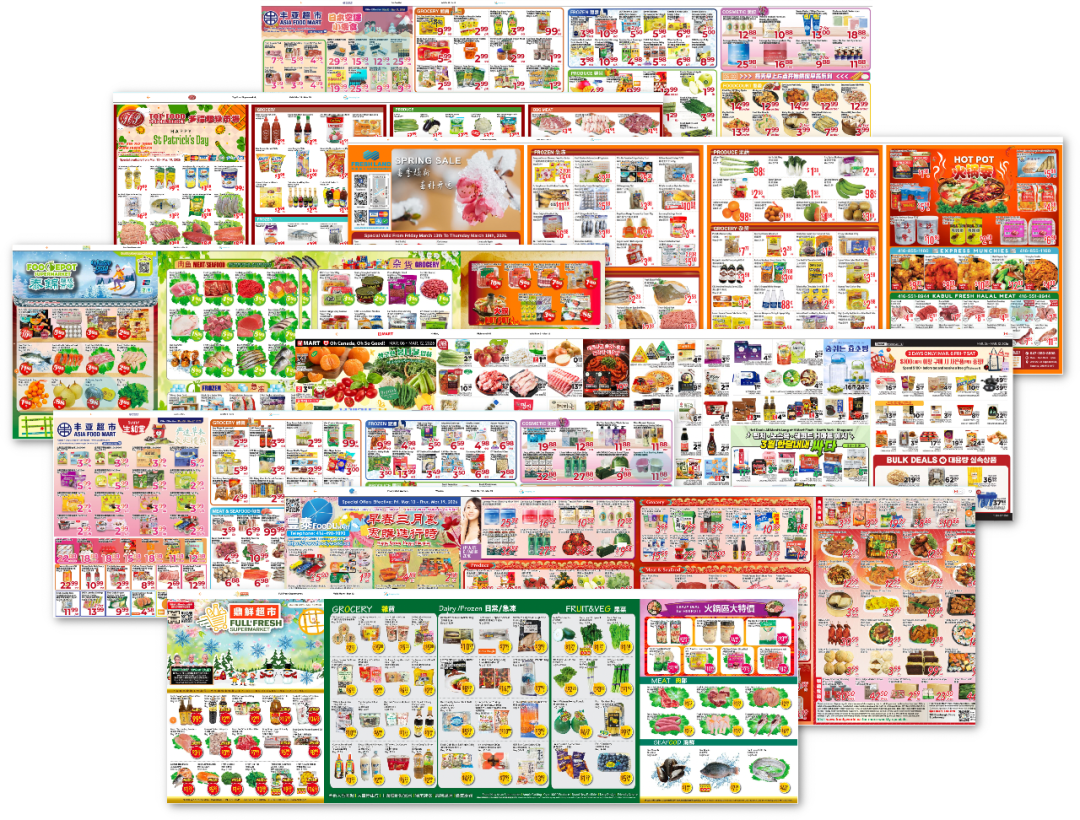
So yes, flyers had real power.
They were not just branding.They brought traffic.They brought sales.They created weekend lineups.
But the problem also started there.
The Misunderstanding That Followed
After flyers became successful, many supermarket owners developed a simple belief:
Marketing means finding the cheapest items, printing them on a flyer, and distributing as many copies as possible.
Whoever distributes more wins.Whoever has the lowest price wins.Whoever has the most aggressive front page wins.
Soon, many supermarkets were not only looking at their own flyers. They were looking first at their competitors’ flyers.
If you lower chicken legs, I will go lower.If you lower beef, I will take a loss and go even lower.If you distribute 50,000 copies, I will distribute 70,000.
Slowly, a very effective marketing tool became a weapon for price wars.
In the short term, it worked.
Customers came.Checkout lines grew.Weekends became busy.
But over the long term, this approach created a deep problem for many supermarkets.
It made people believe that if the price is low enough and the advertising is big enough, business will always be good.
But retail has never been that simple.
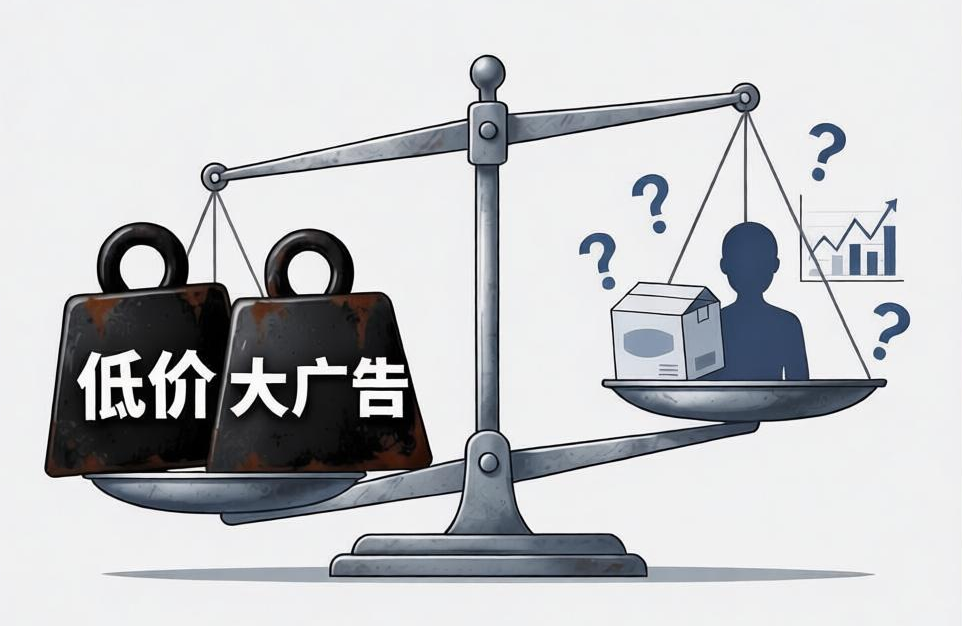
Price is important.Promotions are important.A strong weekly special will always matter.
But a supermarket cannot build long-term success only on a few low-priced items.
Why does a customer come back week after week?Why does a customer trust one store more than another?Why would someone still shop at your store even if another store has one item a few cents cheaper?
The answer is more complicated than price.
There is a very delicate balance behind a customer’s decision.
Yes, price matters. Specials are often the reason customers first pay attention. But when customers decide where to shop, they are not only looking at whether one product is a few cents cheaper.
They are also asking:
Is the produce fresh?Is the quality consistent?Do I trust this store?Is parking easy?Is the location convenient?Are the staff helpful?Can I buy everything I need in one trip?
More importantly, does this store carry products that fit my lifestyle, my cooking habits, my family needs, and my cultural background?
Sometimes another store may be slightly cheaper on one item. But if a customer can buy more of what they truly need at your store, if the products feel more familiar, if the assortment fits their home better, they may not want to drive around just to save a few cents on a single item.
Very few people want to make their entire shopping trip more complicated just because one product is slightly cheaper somewhere else.
So the real job of a supermarket is not only to win the lowest-price battle.
It is to find the right balance in the overall shopping experience:
The price must be attractive.The products must be relevant.The quality must be stable.The information must be clear.The shopping trip must be convenient.The brand must feel trustworthy.
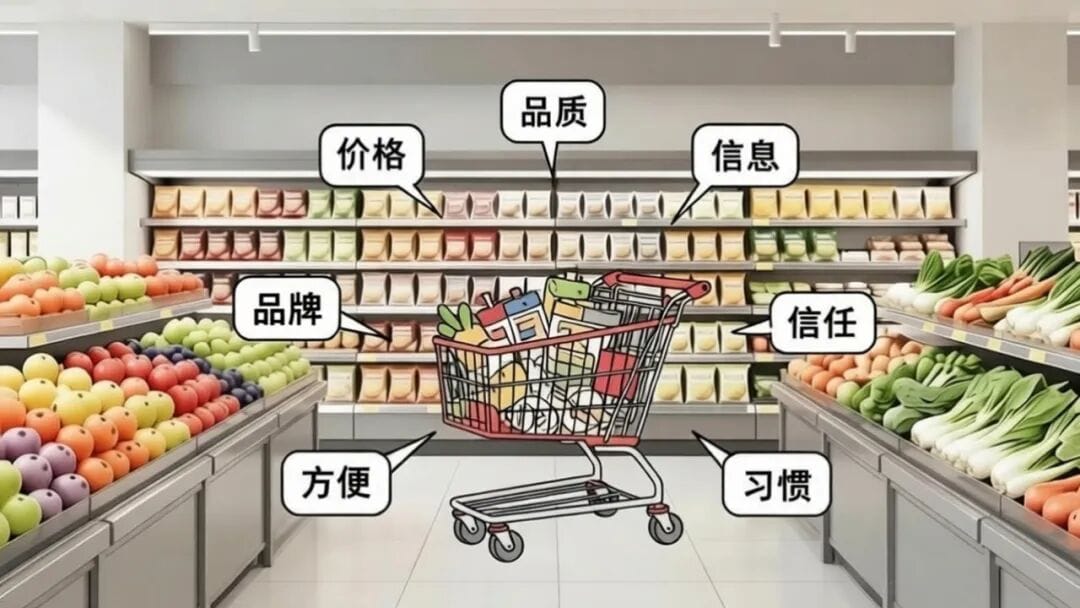
There are deeper factors behind customer loyalty:
Product quality.Freshness.Trust.Convenience.The right product mix.The ability to buy everything in one trip.Staff attitude.Brand impression.Community relationship.Shopping habits.
And there is also something harder to explain, but extremely important:
This store understands me.This store is reliable.This store is worth coming back to.
These things cannot be built through one promotion.
They are built over time.
And this is exactly where digital marketing should play a much bigger role today.
One Era Has Ended
More than twenty years have passed.
I never expected to stay in this industry for so long. I have seen an era begin, and I have also watched that era slowly come to an end.
Many once-influential Chinese newspapers have stopped publishing. The distribution systems that many businesses depended on have lost much of their impact as print media declined.
Many flyers that used to arrive at people’s homes every week have gradually disappeared.
The printing shops, distribution centres, and newspaper offices that were once so busy are no longer the same.
For those of us who lived through that time, it is emotional.
We were part of it. We used those tools to help many supermarkets grow. We spent enormous time and energy on every flyer photo, every layout, every print job, and every delivery route.
But this is how markets change.
The market does not wait just because we are familiar with an old method.
Customers have changed.Media has changed.The way information moves has changed.The place where shopping decisions are made has changed.
In the past, a customer might receive a flyer on Thursday, look at it on Friday night, and shop on Saturday.
Today, a shopping decision can happen at any moment.

- While scrolling on a phone.While watching a short video.Inside a WeChat group.After seeing a Facebook or Instagram post.Through a Google search for nearby supermarkets.After seeing a product on TikTok or Xiaohongshu.Inside an app when saving a deal or building a shopping list.Or even through an AI recommendation that says, “You may also like this.”
Customers are no longer simply waiting for flyers to arrive at their door.
They are influenced by information every day, across many different channels.
That is the real shift of the digital era.
Digital Is Not Just Moving the Flyer Online
When many people hear “digital marketing,” their first reaction is:
“Does that mean putting the flyer online?”“Does that mean posting it on Facebook?”“Does that mean making TikTok videos?”“Does that mean running Google ads?”
All of these can be part of digital marketing.
But if we only take a paper flyer, turn it into an image, and post it online, that is not real digital transformation.
That is only changing the format.
Real digital marketing is not about moving old materials onto new platforms.

It is about understanding customers in a new way.
In the traditional flyer era, communication was mostly one-way.
The supermarket printed the specials and delivered them to homes.
Did the customer look at it?We did not really know.
Which page did they spend time on?We did not know.
Which product caught their attention?We did not know.
Did the flyer actually bring them to the store?We could only estimate.
What did they buy afterwards?It was very hard to connect that back to the flyer.
The digital era is different.
We can know what users click.We can see which products they spend time on.We can understand what they save.We can see what they add to a shopping list.We can learn which neighbourhoods respond to which categories.We can observe which products become more popular before major holidays.We can gradually understand patterns that were invisible before.
This is the real value of digital.
It is not just promotion.
It is data accumulation.
It is not just exposure.
It is customer understanding.
It is not only about reaching more people.
It is about learning, over time, what customers actually care about.
Are Traditional Flyers Still Effective?
Many supermarket owners ask me:
“Do flyers still work?”
My answer is:
Yes, but their role has changed.
In the past, the flyer was the main battlefield.
Today, the flyer is more like an entry point into a larger marketing system.
It can still show customers what is on special this week.It can still attract price-sensitive shoppers.It can still help drive traffic to the store.
But it can no longer carry the entire marketing responsibility by itself.
In the past, one flyer campaign could create a very visible result.
Today, before a customer sees your flyer, they may have already seen a dozen other pieces of information on their phone.
After seeing your flyer, they may not come to the store immediately.
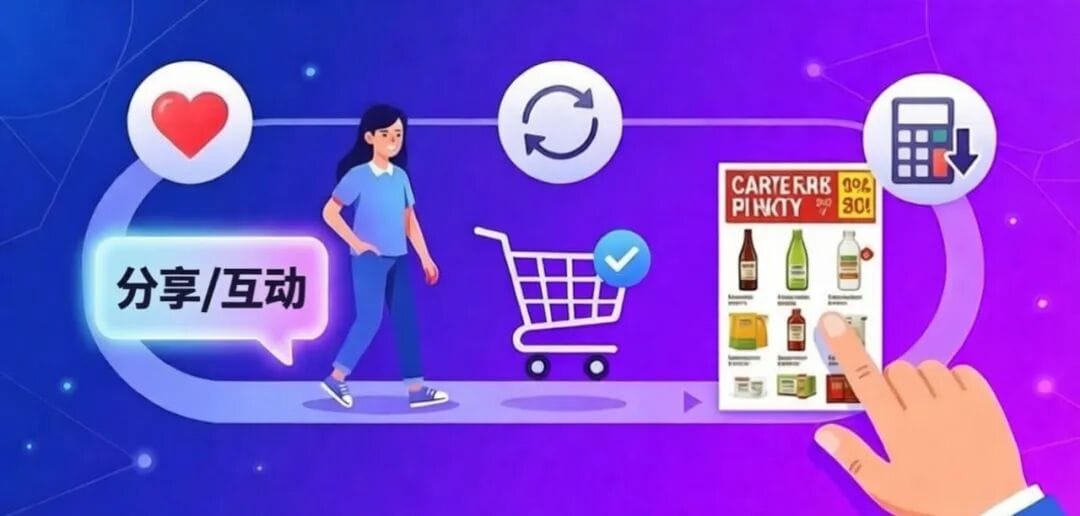
They may save an item.They may share it with family.They may compare prices.They may wait until the weekend.They may need another reminder from social media, a push notification, a search result, or a friend’s recommendation before they actually make the decision.
So the question today should not only be:
“Do flyers still work?”
The better question is:
“Can the flyer work together with the website, app, social media, search, customer data, shopping lists, and AI recommendations?”
If it cannot, its impact will continue to decline.
If it can, then the flyer is no longer just a flyer.
It becomes an important node inside a broader digital marketing system.
Can Digital Really Bring Sales?
Another question I often hear is:
“Can digital really bring customers and sales?”
This is a very fair question.
Many supermarket owners became used to the direct effect of flyers.
Print this week.Distribute this week.Watch the weekend traffic.
The response was visible and immediate.
Digital is often different.
Digital marketing is more like slowly placing your brand into the customer’s mind.
It may not always fill the parking lot overnight.
Instead, it helps make sure that when the customer eventually thinks about grocery shopping, your store comes to mind naturally.
That is the biggest difference between traditional flyers and digital marketing.
A flyer is like shouting:
“Chicken legs are on sale this week. Come now!”
Digital is more like reminding customers every day:
“We are here.”“We have fresh products.”“We understand your lifestyle.”“We know what matters to your family.”“We are part of your community.”
That may not sound as exciting as a big flyer promotion.
But its power is long-term.
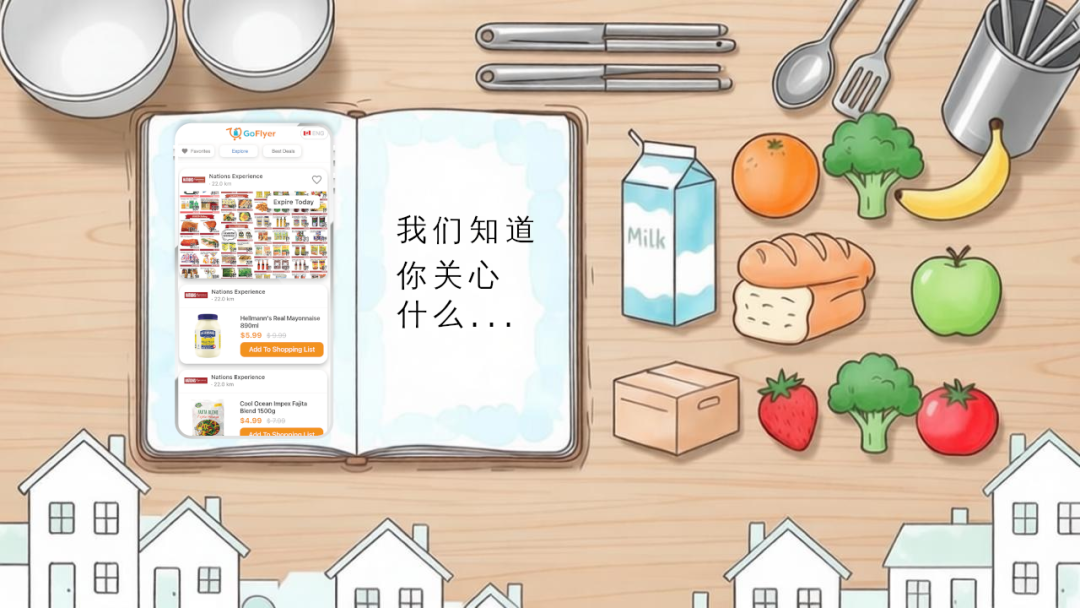
真Good digital marketing does not always create a sales spike the next morning. It is more like planting a seed in the customer’s mind.
The first time, they see you.The second time, they remember you.The third time, they begin to trust you.
Then one day, when they need groceries, your store becomes one of their first choices.
This process is slower.
But it is very important.
Price Matters, But It Is Not Everything
I have always believed that price is one of the most important factors in the supermarket business.
Especially in food retail, customers buy frequently. Even small price differences can feel meaningful over time.
So specials are necessary.Price competition will never disappear.
But if a supermarket depends only on price, it will become very tiring.
There will always be someone cheaper.There will always be someone willing to lose money on one item.There will always be someone more aggressive on a front-page special.
If all competition becomes price competition, the whole industry suffers.
Healthy competition should make customers feel:
This store is not only cheap.This store is trustworthy.The products are fresh.The assortment fits my needs.The shopping experience feels good.This store is part of my life.
That is a deeper form of customer loyalty.
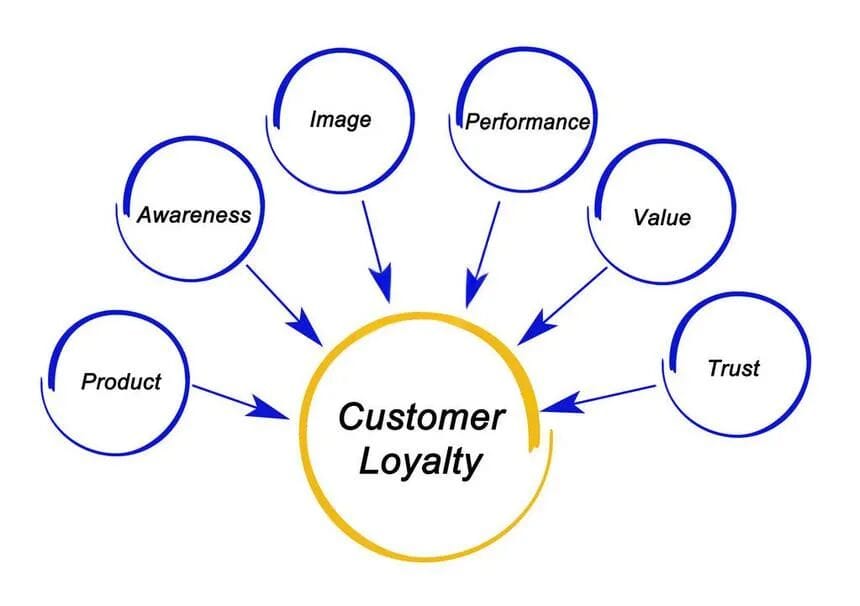
And the opportunity of the digital era is that supermarkets can use richer, more consistent, and more personal ways to build this relationship.
Not every message has to scream “lowest price.”
Not every promotion has to rely on one hot deal.
Through content, data, search, social media, shopping lists, personalized recommendations, and targeted reminders, a supermarket can repeatedly tell customers:
We are here.We are paying attention.We know what you need.We are preparing for you.
The Big Retailers Are Already Doing This
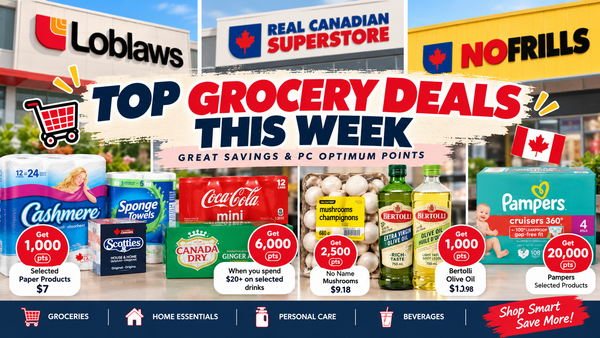
If you look at major Canadian retailers like Loblaw, Sobeys, and Metro, you will see that they still use flyers. They still run promotions. Price still matters.
But their real investment has already moved far beyond the flyer.
They build loyalty programs.They build apps.They use points.They personalize offers.They localize promotions.They analyze user behaviour.They forecast demand.They target different customer groups with different content.
They do not only want to know what customers bought.
They want to understand why customers bought, when they bought, what influenced the purchase, and what they may buy next.
Behind this is a full data capability.
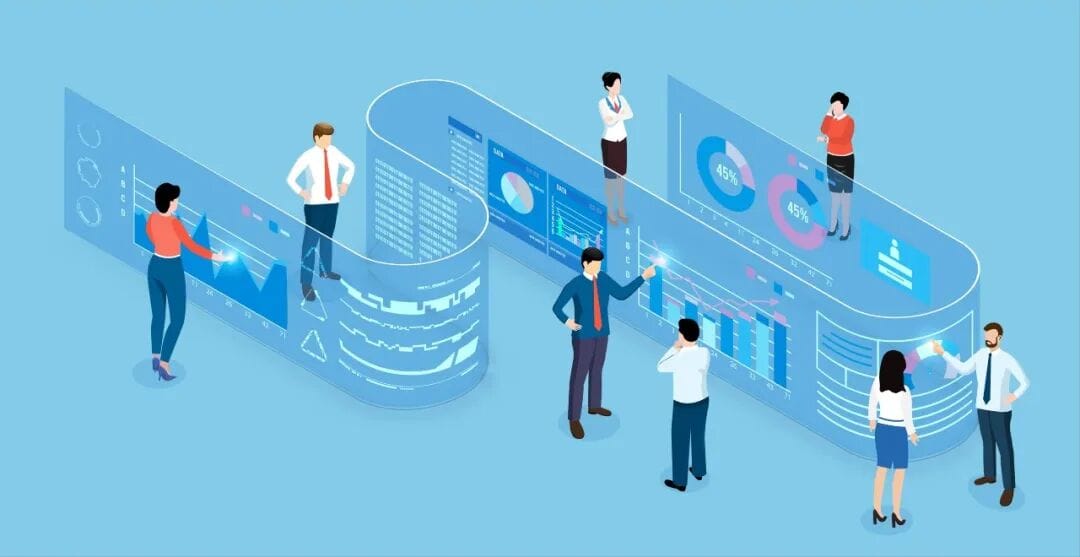
So the real advantage of large retailers is not only that they have more stores, more money, or more products.
It is that they understand customers through systems.
Not only through one owner’s experience.Not only through instinct.Not only through memory.
Through data.Through infrastructure.Through long-term accumulation.
This connects directly to a point I discussed in the previous article:
The future of retail competition will be system against system.
Chinese Supermarkets Are Now Reaching This Turning Point
Chinese supermarkets have reached a very important stage.
Over the past twenty-plus years, many owners have already completed the first phase.
They opened the store.They built supplier relationships.They managed operations.They served the community.They turned one store into two, three, or five stores.
That was not easy.
But now a new set of questions has arrived.
When printed flyers and newspaper ads are no longer as powerful as before, how do we continue to influence customers?
When younger customers no longer read newspapers or wait for flyers at home, how do we make them understand our stores, remember our brands, and value what we offer?
When competition is no longer only the few supermarkets nearby, but every piece of information customers see on digital platforms, how do we avoid being ignored?
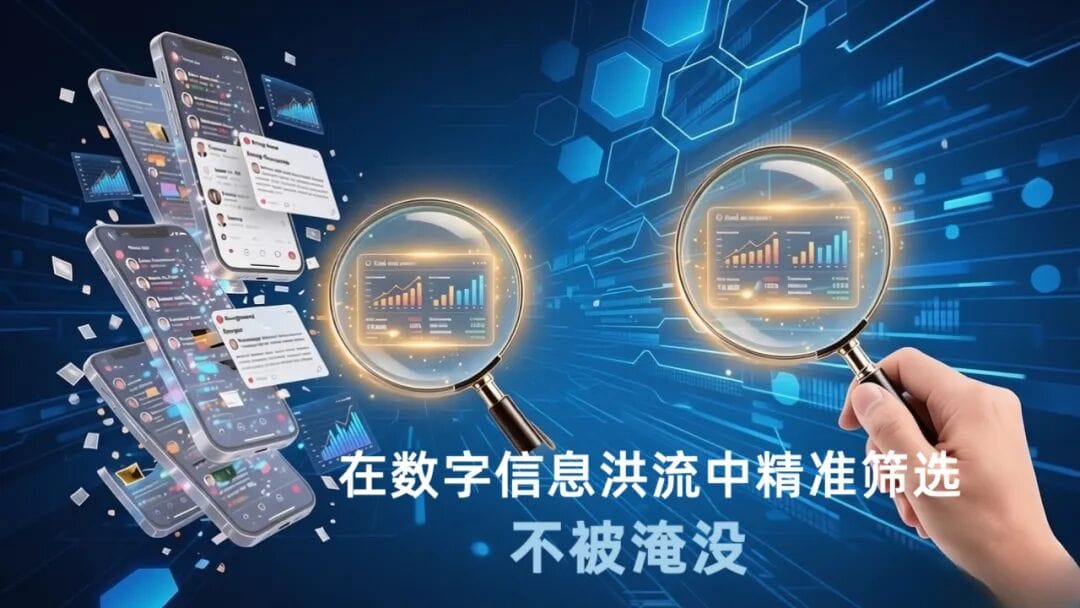
This is not just an advertising problem.
It is the transition from traditional store operation to data-driven retail operation.
In the past, we asked:
How many flyers should we print this week?
Today, we need to ask:
Why did this customer click on this product?Why does this neighbourhood respond more strongly to this category?What should we promote two weeks before a major holiday?If a customer saved seafood last week, should we recommend related deals this week?If a family often buys fruit and snacks, should we remind them about weekend promotions earlier?
These are the real questions of data-driven marketing
This Is the Direction GoFlyer Is Working Toward
When some people first see GoFlyer, they may think:
“Is this just putting supermarket flyers online?”
If that were all we were doing, the idea would not be very meaningful.
Our real goal is not to move a piece of paper onto a screen.
Our goal is to help Chinese and ethnic supermarkets turn the marketing knowledge built over the past twenty years — much of it based on experience, instinct, and owner judgment — into a system that can collect data, analyze customer behaviour, and continuously improve.
The value is not only what customers see on the front end.
It is also the data and optimization happening behind the scenes.
It is the quiet analysis on store websites.It is the recommendations we can provide to merchants.It is the ongoing tracking of social media performance.It is the daily learning from customer behaviour.
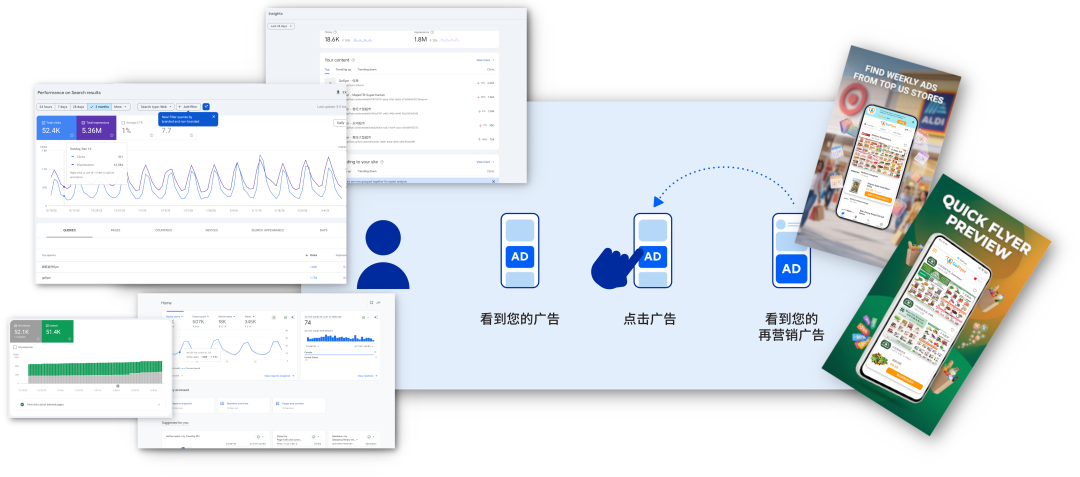
Every click.Every product view.Every saved deal.Every item added to a shopping list.Every Similar Deal viewed.Every “You May Also Like” recommendation shown.
These small actions may not look important individually.
But over time, they become valuable signals.
They help us understand:
Which products truly attract customers?Which price ranges are most sensitive?Which categories perform differently by city or neighbourhood?Which items deserve front-page placement?Which deals look attractive but do not actually drive store visits?Which products create related purchases?Which content spreads better on social media?Which customers care most about price?Which customers care more about freshness?Which customers care more about convenience?
This is the future direction.
Not one advertisement creating one sale.
But every marketing action leaving behind data.
Every piece of data making the next campaign more accurate.
Every more accurate campaign making the relationship between customer and store stronger.
That is what real data-driven marketing means.
Do Not Expect Digital to Repeat the Old Flyer Miracle
One of the biggest misunderstandings about digital marketing is expecting it to recreate the old flyer effect.
Post today, explode tomorrow.Spend today, see lineups tomorrow.Upload one video today, see sales jump immediately tomorrow.
This can happen sometimes, but it should not be the long-term expectation.
The flyer worked so well in the past because information channels were limited and customer attention was more concentrated.
Digital is harder today because there is too much information. Customer attention is fragmented.
So modern marketing is no longer about pushing out one big message.
It is about doing a little every day.
One more touchpoint.One more impression.One more interaction.One more data point.One more layer of understanding.
Over time, these small efforts create brand memory, shopping habits, and loyalty.
This may look slower.
But it is more solid.
The old flyer was like a strong gust of wind.
When it came, customers came quickly. But when the wind stopped, much of the impact passed.
Good digital marketing is more like a steady stream of water.
It may not look powerful at first, but when the direction is right and it keeps flowing, it can eventually reshape the landscape.
The Real Question Is Not Whether to Do Digital
So when we ask:
“Do traditional flyers still work?”“Can digital bring sales?”“Does social media matter?”“Is AI recommendation useful?”
These are all important questions.
But the deeper question is:
Are we ready to understand customers in a new way?
Are we ready to move from one-time advertising to long-term data accumulation?
Are we ready to move from competing only on price and distribution volume to competing on systems, content, and customer insight?
Without this mindset, digital marketing becomes just another advertising cost.
Today we spend on Facebook.Tomorrow we spend on Google.The next day we try TikTok.In the end, we still do not know what is really working.
But with the right mindset, digital is not just advertising.
It becomes a new operating capability.
It helps supermarkets understand customers, neighbourhoods, products, timing, and their own future direction more clearly.
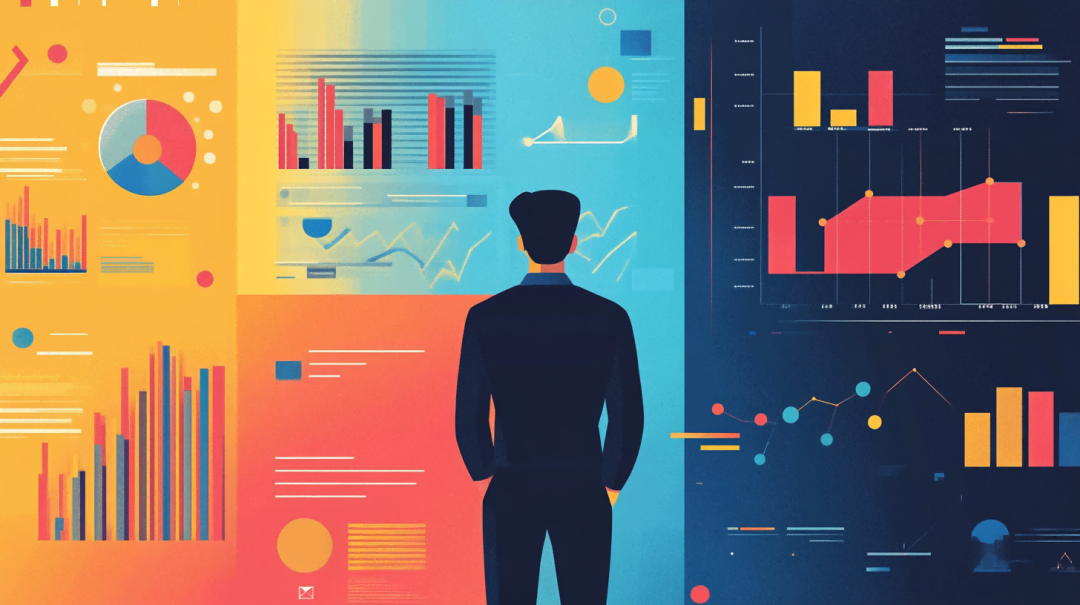
That is the real meaning of data-driven marketing.
It does not replace the flyer.
It places the flyer inside a larger system.
It does not reject the experience built over the past twenty years.
It turns that experience into something a team can use, a system can improve, and the next generation can continue to build on.
This road will not be completed overnight.
But it has already started.
And the earlier a supermarket begins, the greater its chance of building a real long-term advantage in the future.
Coming Next
In the next article, I want to go deeper into the practical side:
How should Chinese and ethnic supermarkets step into the data-driven marketing era, one step at a time?
How should websites, apps, Google Search, social media, short videos, customer data, shopping lists, AI recommendations, and personalized notifications work together?
What kind of traffic only looks busy but does not convert?
What kind of traffic can actually help bring customers into the store?
How can one TikTok video, one Facebook post, one digital flyer, one product page, or one weekly notification become more than just something we “send out”?
How can it actually help move a customer closer to a shopping decision?
Over the years, we have tested many ideas, made many mistakes, and spent real time and money learning from the market.
In the next article, I will continue this discussion from a more practical, hands-on perspective.
If you are interested in the future of the supermarket industry, or if you would like to discuss real challenges in retail operations and marketing, I welcome you to follow my public account by scanning the QR code below.
Here, we will continue to talk about retail, entrepreneurship, long-term thinking, and the future of community-based grocery businesses.
I hope these reflections can bring us new ideas, new conversations, and a clearer direction for what comes next.
This article is part of the original “Steven on Supermarkets” series.
All rights reserved. Unauthorized reproduction or commercial use is prohibited. Please contact the author for permission to republish.。
—Previous Posts—
 Steven Guan
 Steven Guan