
What "Getting the Mix Right" Means — And Why It Matters More Than Running Deals
After 20+ years in Toronto’s Asian grocery industry, Steven explains why advertising alone can’t drive sustainable growth. The real advantage comes down to something deeper — getting the product mix “right for the community.”

In the first two posts, I talked about the big picture: why grocery needs to embrace data, and how to think about positioning. Starting with this one, I want to get into the specifics — the lessons I've picked up over 20-plus years on the ground in Toronto's grocery industry.
When I first got into this business, things were simpler. There were maybe a handful of Asian grocery stores in the GTA. If you had product, worked hard, and kept your eyes on the floor, you'd do fine. Today, there are over 100 sizable Asian grocery operations across Toronto alone.
I've watched first-generation owners hand stores off to their kids. I've seen partnerships blow up, comebacks no one expected, and closures that broke my heart. It's been a wild ride. But through all of it, one thing has never changed: every owner wants the same thing — more stores, more revenue, less spent on ads, and longer lines at checkout.
Fair enough. But here's where a lot of owners go wrong: they treat advertising like a silver bullet.
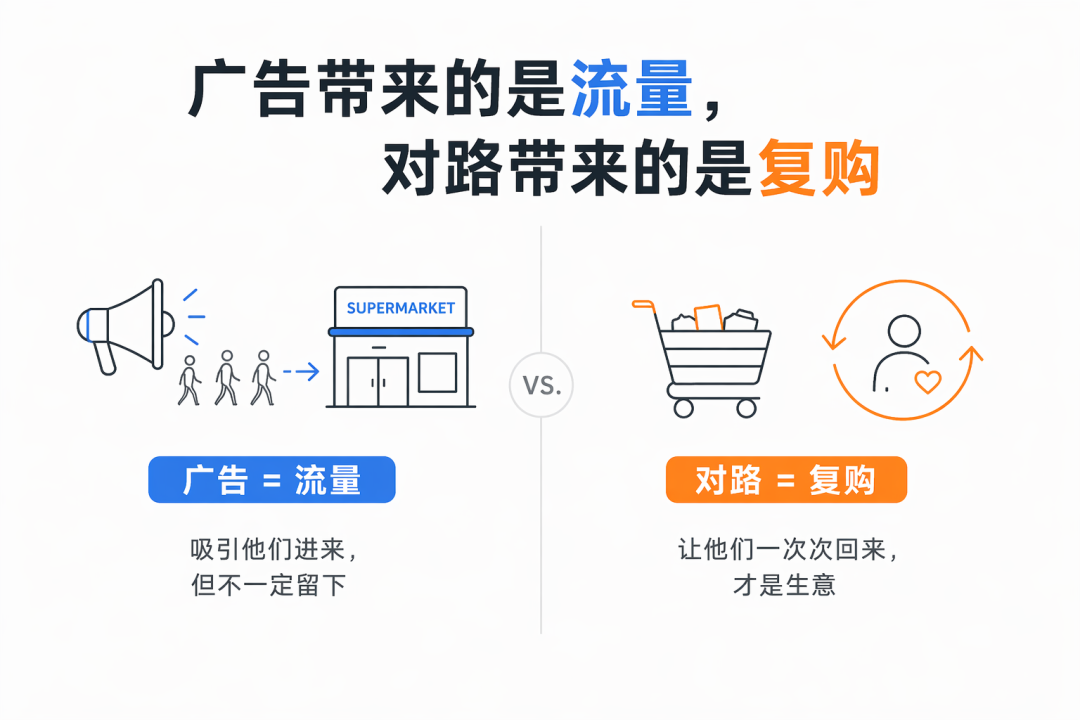
I'll be honest with you — advertising alone will never deliver sustainable growth. Ads can get people through the door, but they can't make people come back. That part depends on something else entirely.
It comes down to two words: the mix.
Your Assortment Tells Customers Whether This Store Is "For Them"
A typical grocery store carries thousands of SKUs. The issue is never whether you have product — it's whether you have the right product.
Getting the mix right is about creating an unspoken understanding between your store and your customers. When a Filipino mom walks in looking for a specific calamansi vinegar and all she finds is Chinese brands, that's a disconnect. When a Middle Eastern customer wants quality Medjool dates and your snack aisle is wall-to-wall Korean rice crackers, you've lost him.
No amount of advertising fixes that. Because in the customer's mind, the verdict is instant: this store isn't for me.
You Think You Know Your Customers. You Might Be Wrong.
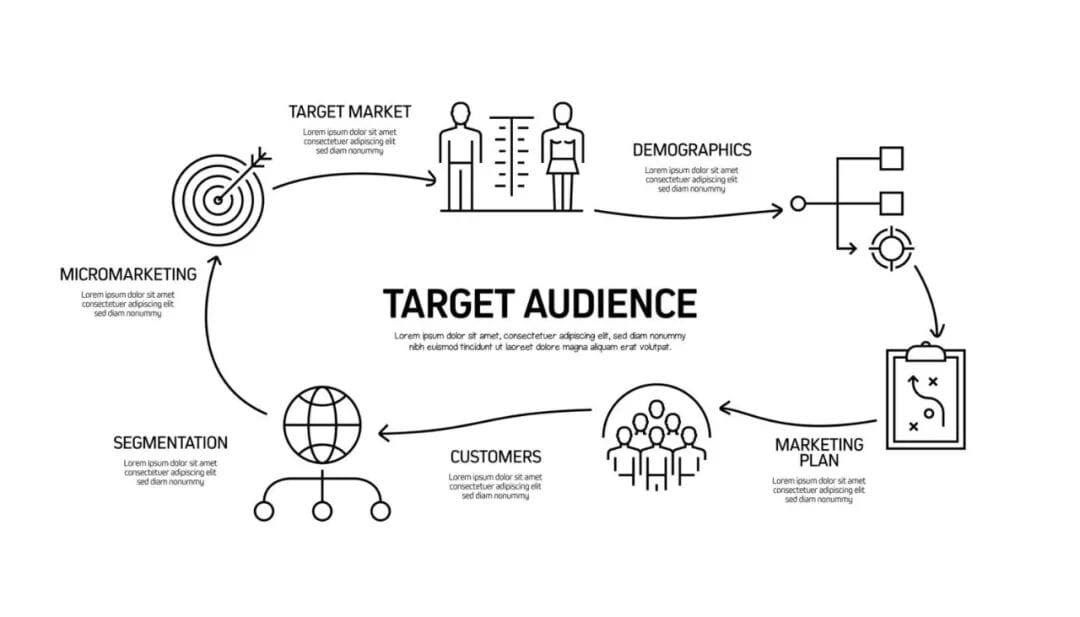
If you run a store, you develop instincts. You recognize the regulars. You notice what moves and what sits. You get a general sense of which communities are shopping with you — Filipino, Vietnamese, South Asian, Chinese, Middle Eastern — and what they tend to buy.
The problem is that this kind of intuition is fuzzy. It's fragmented. It doesn't add up to a system.
True assortment precision means something much more demanding: putting the right products, in the right proportions, in the right shelf positions — within the limited space you actually have. Gut feel alone can't sustain that across a shifting market.
And in Toronto, the market is always shifting. A single neighbourhood can serve half a dozen communities at once. Consider the complexity:
- Filipino customers are looking for very specific condiments and sauces.
- South Asian shoppers want particular grades of basmati rice and whole spices.
- Within the Chinese community alone, a long-settled family and a recent international student have completely different shopping lists.
When the mix is off, the consequences are real:
Dead inventory. Products collect dust for months, tying up cash that should be working for you.
Customer attrition. A shopper comes in twice, can't find what they need, and mentally files your store under "not for me." They don't complain — they just stop coming.
Demographic blindness. The neighbourhood has changed, but your shelves haven't. Revenue erodes and you can't figure out why.

The Neighbourhood Moved On. Did Your Shelves?
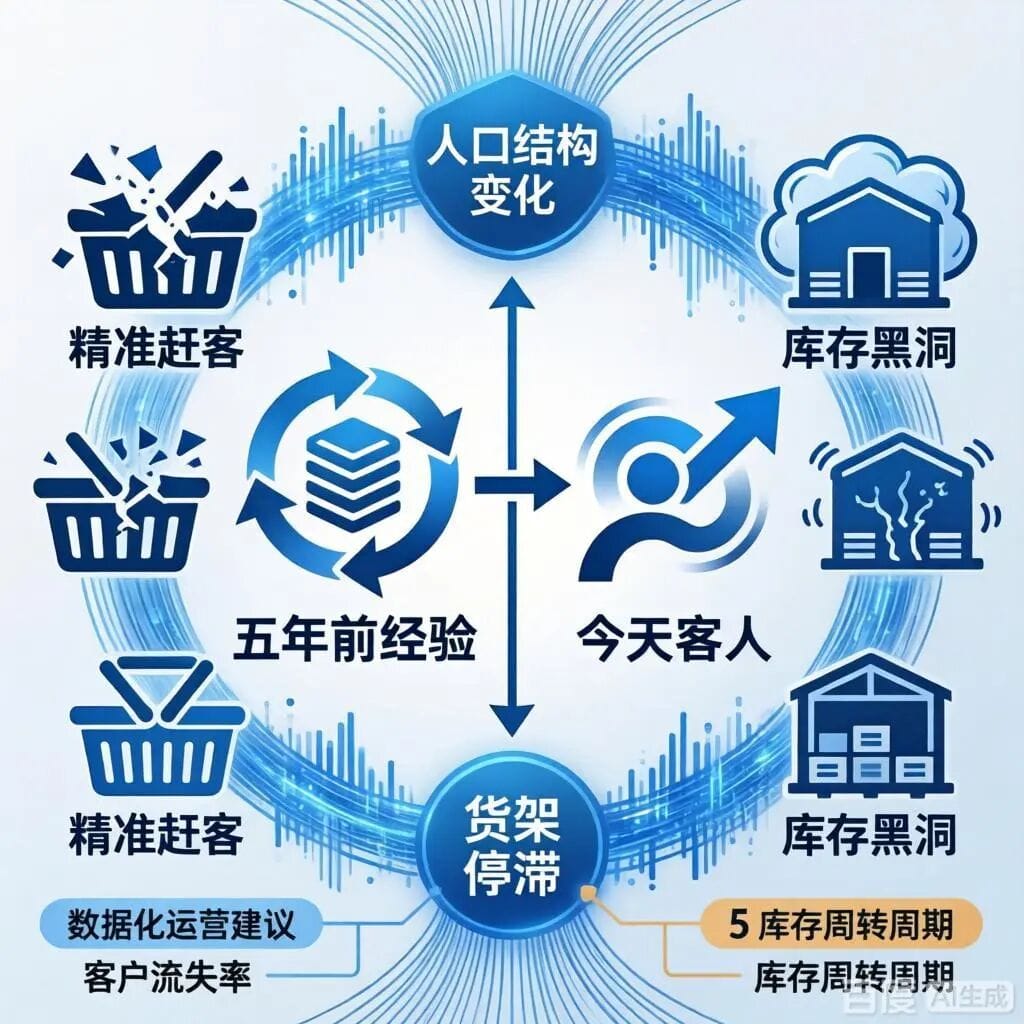
The hardest thing about running a grocery store in the GTA isn't competition. It's keeping up with a community that's constantly in flux.
Population shifts happen quietly. A wave of new residents moves in; another group moves to the suburbs. Many stores that see declining sales aren't failing because the owner stopped trying — they're failing because the shelves are still serving last decade's neighbourhood.
When you don't adapt, two things happen:
You actively push away the customers you should be winning. The people who would shop with you can't find what they want.
You bleed cash on the wrong inventory. Product that no one's asking for sits in your back room, eating into your margins.
From "What Sold" to "What They Actually Want"
The traditional way to make assortment decisions is to look at sales reports, check inventory levels, and listen to your store manager. All important — but all of it is rearview mirror data. It tells you what already happened.
What it can never tell you:
- What did customers come looking for but couldn't find?
- What are they starting to get interested in?
This is where things get interesting. Modern grocery already generates far more data than most operators realize — they're just not connecting the dots.

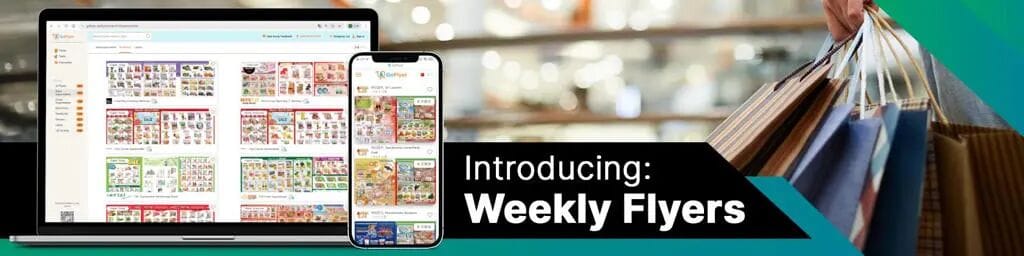
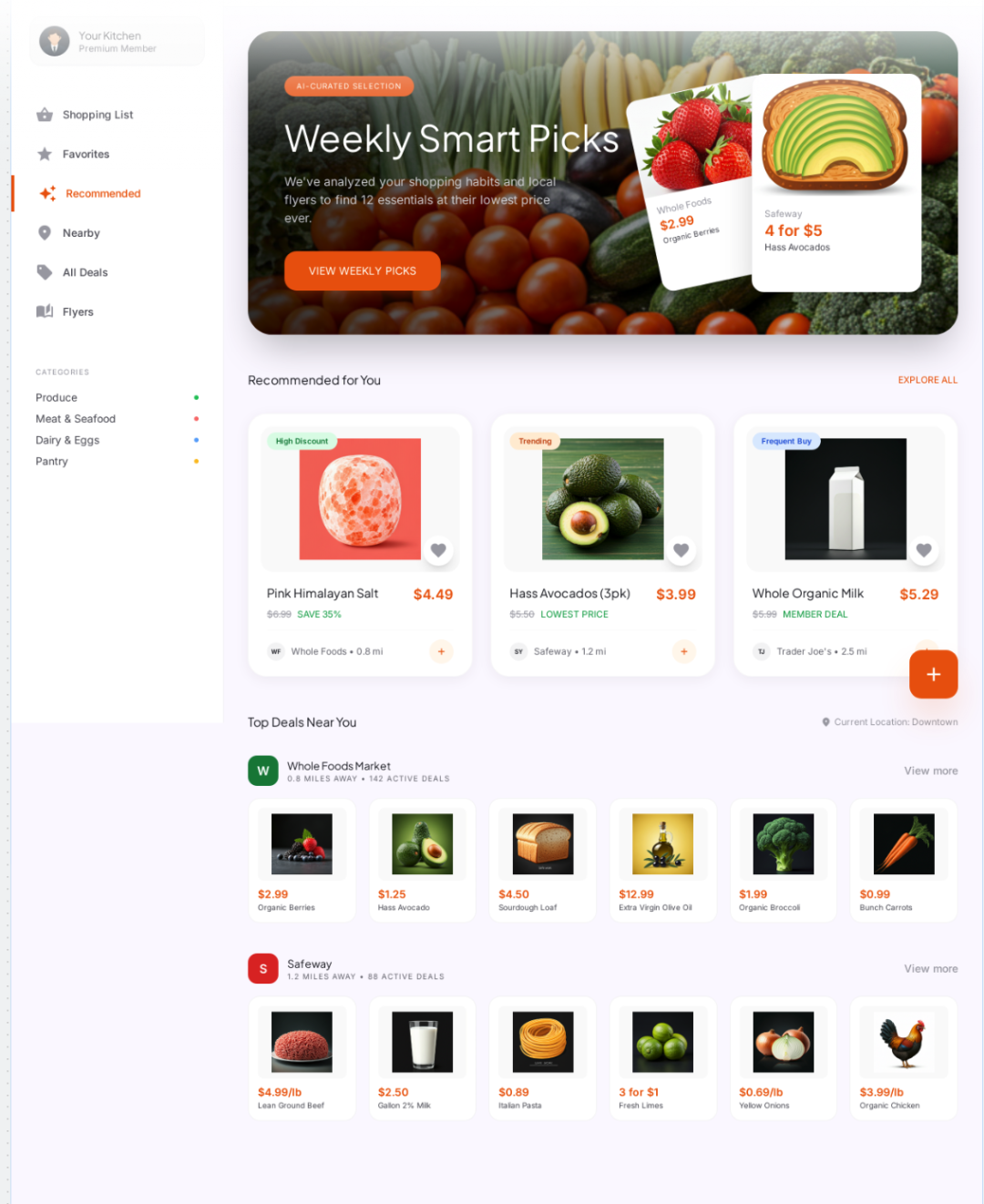
Take what we're building at GoFlyer as an example. We've turned the traditional grocery flyer from a static piece of paper into a collection of trackable product units. Every deal becomes a data point. We can capture:
- Clicks — what catches attention
- Saves to shopping list — what drives real purchase intent
- Browsing paths — what people look at, and where they stop
- Dwell time — which categories hold attention longer
- Basket combinations — how shoppers mentally group products together
This tells you where interest is forming — before it shows up in your sales reports.

Layer in other signals:
Social media (Facebook, Instagram, TikTok) reveals what products get shared, commented on, and amplified. It shows you what's being "discovered" organically.
Search and web traffic (Google, your own website) show what people are actively looking for — the demand that already exists but may not be reaching your store.
Email engagement data — open rates, click-throughs, repeat clicks — shows which products are driving real conversion intent, not just passing curiosity.
Any one of these channels alone is noise. But stitch them together, and something powerful emerges:
Every deal on a flyer becomes a node in a network — seen by some, clicked by others, saved by a few, shared by fewer still, ignored by many. Taken together, these signals form a real-time map of what your community actually wants.
That map doesn't tell you what sold yesterday. It tells you what you should be stocking tomorrow.

Getting the Mix Right Is Not a One-Time Decision
A lot of operators look at data in snapshots: did this product sell well or not?
The real value is in the trend.
If products associated with a particular community show steadily rising click-through and save rates over three months, that's the market sending you a signal. It's telling you to increase your allocation in that category — before your competitor does.
You can't expect to nail your assortment once and be done. The real process is continuous: read the data, adjust the shelves, read again, adjust again.
Over time, something remarkable happens. Your store starts to organically shape itself into exactly what the neighbourhood needs. Not because you guessed right, but because the feedback loop kept correcting course.
That fit — that deep alignment between your store and your community — is the real moat in grocery. It's what makes a store irreplaceable. Because you understand what your customers want to eat better than they've articulated it themselves.
The Takeaway
If I had to boil this post down to one line:
Getting the mix right isn't about gut instinct — it's the result of continuously correcting course with multi-channel data.
Advertising brings people in. But only the right assortment turns a first visit into a lifelong customer.
In the next post, I want to tackle something that hits close to home for a lot of ethnic grocery operators right now: the invisible wall of scaling. Why do so many stores find that their fourth or fifth location is less profitable than their first two? Loblaw, Metro, and Sobeys all hit this exact wall on their way from a handful of stores to hundreds. How did they break through — and what can independent operators learn from both their wins and their costly mistakes? That's what I want to unpack next.
If any of this resonates — or if you're in the middle of figuring out your own growth path — follow along. I'm sharing what 20 years in this industry has taught me, one post at a time.
🌐 Read in Chinese: https://blog.goflyer.ca/zh/what-getting-the-mix-right-means-and-why-it-matters-more-than-running-deals-cn/
👉 中文版本链接