Why Are So Many Promotions Not Driving More Sales?
How data reveals the real drivers behind successful grocery promotions — from product selection to timing and customer demand.
In conversations with grocery store owners and operators, one question comes up again and again:
“We run a lot of weekly promotions — so why isn’t our overall business improving?”
Some put it even more directly:
- Promotional items are selling
- But total revenue isn’t growing significantly
- Customer traffic feels flat
This is not a new problem — but it’s becoming more common.
After years of working closely with flyer strategies, one thing has become clear:
The issue is rarely about doing too little.It’s about not doing the right things.
The Hidden Problem: Too Many Deals, Too Little Impact
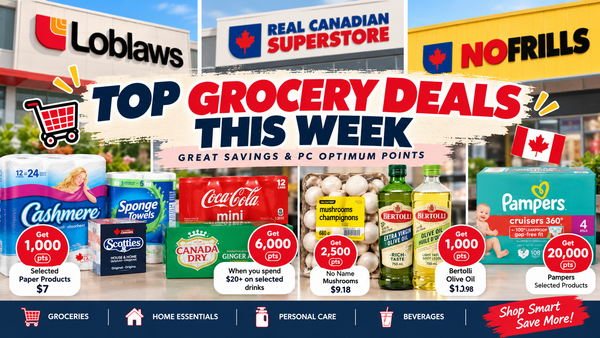
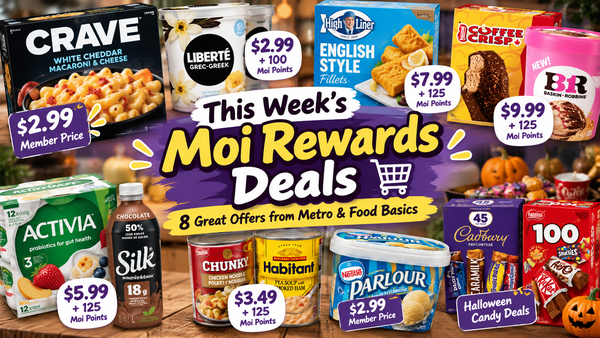
Today, many grocery flyers feature:
- 70–100+ promotional items per week
- A wide variety of discounts
- A strong sense of “value”
On the surface, this looks impressive.
But from a shopper’s perspective, the behavior is very different:
- Most customers don’t read flyers line by line
- They scan quickly
- They remember very little
This leads to a paradox:
The more promotions you have, the less impact each one creates.
A Key Shift: Flyers Are Not About Discounts — They’re About Triggers
Traditionally, flyers are seen as pricing tools.
- Lower prices
- Competitive positioning
- Weekly deals
But in reality, the primary role of a flyer is not pricing — it’s triggering behavior.
A successful flyer should answer one question:

👉 Does this make the customer decide to visit the store?
Because only after they enter the store does real value happen:
- Basket expansion
- Cross-category purchases
- Full shopping trips
Without that trigger, promotions are just information — often at the cost of margin.
The Real Gap: Retail Thinking vs. Customer Thinking
Most retailers plan flyers like this:
“What products do we have this week, and what prices can we offer?”
But customers think very differently:
“What do I need right now — and is it worth making a trip?”
This mismatch creates inefficiency.
Example:
- Eggs are on sale
- But the customer already has eggs at home👉 Result: No action
The promotion was seen — but it didn’t convert.
Timing Matters More Than Price
One of the most underestimated factors is timing.
The same product can perform completely differently depending on when it’s promoted.
Examples:
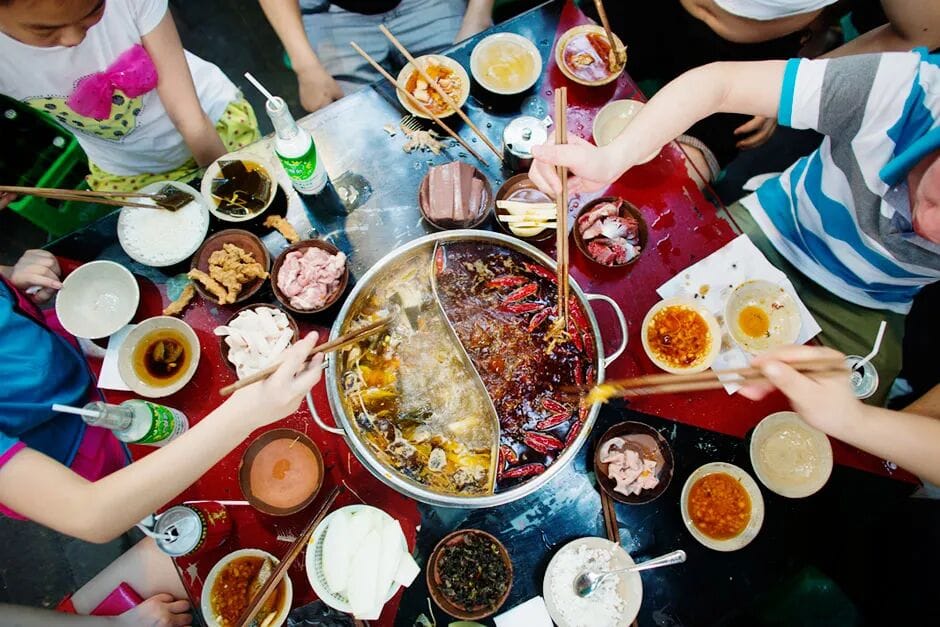
- Cold weather → Hot pot ingredients spike
- Weekends → Fresh produce demand rises
- Holidays → Specific categories surge
In many cases:
Products sell not because they are cheaper — but because they are needed at that moment.
Information Overload Is Killing Effectiveness
When a flyer contains too many deals:
- Customers lose focus
- Nothing stands out
- Decision fatigue increases
The result?
Everything is seen — but nothing is remembered.
A smaller number of well-selected, highly relevant promotions often performs better than a large, unfocused list.

The Biggest Blind Spot: Not Knowing What Actually Works
Many stores still rely heavily on:
- Experience
- Gut feeling
- Supplier availability
But lack clear answers to key questions:
- Which products actually drive store visits?
- Which promotions increase basket size?
- Which ones just “look good” but don’t convert?
Without data, optimization becomes guesswork.

When Promotions Don’t Create Growth
Another common situation:
- Promotions perform well individually
- But overall business doesn’t grow
Why?
Because:
- Customers are shifting from competitors (not increasing total demand)
- Shoppers buy only discounted items
- Basket size doesn’t expand
- Loyalty doesn’t improve
This is not growth — it’s redistribution.
From Guesswork to Data-Driven Flyers
If you analyze historical flyer data, patterns start to emerge:
- Seasonal product cycles
- Cultural and ethnic shopping behaviors
- Regional preferences
- Weather-driven demand
These are not random.
They reflect real customer demand over time.
When used correctly, this data transforms decision-making:
Instead of asking:
“What should we promote this week?”
You start asking:
“What has already been proven to work — and how can we optimize it?”

What Top Grocery Chains Do Differently
Major chains like:
- No Frills
- Metro
- Sobeys
also run many promotions.
But the difference is:
- They track performance
- They analyze customer behavior
- They optimize based on data
Their flyers are not based on guesswork — but on systems.
A Practical Shift: Introducing “Mini Flyers”
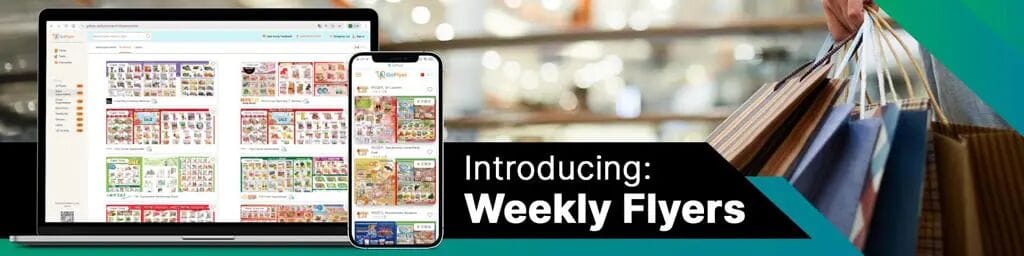
One approach we’ve been testing in real operations is adding:
👉 Mini Flyers during weekdays
Instead of relying only on a large weekly flyer:
- 8–12 highly targeted items
- Faster production cycle
- More flexibility
Think of it as a lightweight trigger system throughout the week.

Why Mini Flyers Work
They solve several key problems:
1. Increase Frequency of Customer Triggers
Weekends already have natural traffic.
The real opportunity is weekdays.
Mini flyers create additional touchpoints.
2. React to Real-Time Conditions
Unlike weekly flyers, mini flyers can adapt to:
- Weather changes
- Inventory levels
- Short-term opportunities
- Market trends
3. Reduce Noise, Increase Focus
With fewer items:
- Each product stands out
- Messaging is clearer
- Conversion improves
The Real Conclusion
After years of working in flyer strategy, one conclusion stands out:
It’s not that we run too many promotions.It’s that we don’t run enough of the right promotions.
Price matters — but it’s not everything.
What matters more is:
- Relevance
- Timing
- Selection
- Data-backed decisions
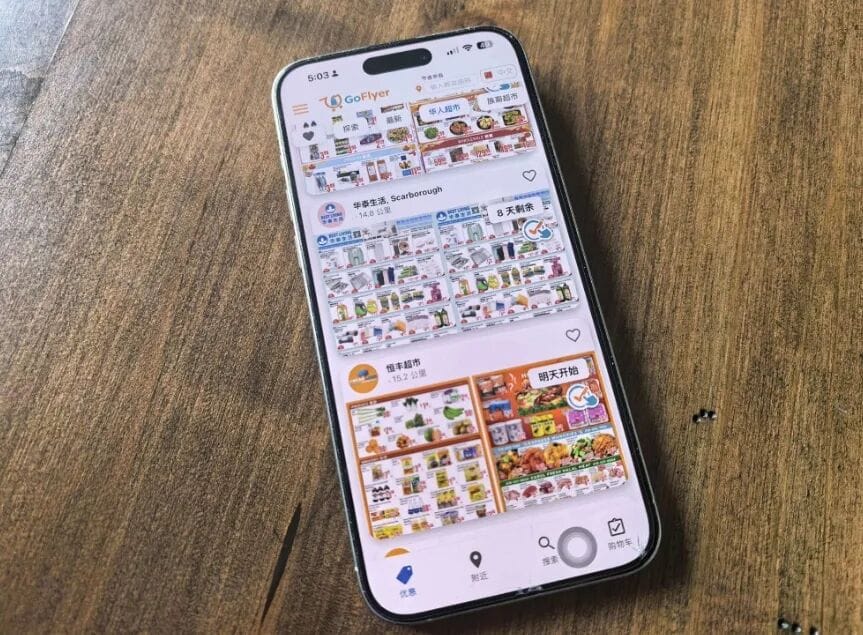
What “Right Promotions” Really Mean
The idea of “right promotions” goes beyond pricing.
It includes:
- Product selection
- Category mix
- Timing
- Store positioning
- Customer demand alignment
At its core, it reflects one critical capability:
The ability to truly understand your customer — and translate that into weekly execution.
What’s Next
In the next article, we’ll go deeper into:
👉 What makes a product “the right product”👉 How to identify high-performing promotions using data👉 How different communities and regions require different strategies
—Previous Posts—
 Steven Guan